All Categories
Featured


Commercial Erosion Control Solutions to Protect Large-Scale Landscapes
Table of Contents
Landscapes that can deal with extreme weather decrease liability, avoid damage, and preserve property functionality year-round. Shade, drainage, usability, and comfort all add to how often an area is used and how important it feels. With increasing regulations and occupant expectations, sustainable practices are moving from optional to expected. The specifying characteristic of landscaping in 2026 is durability.
That implies holding up under ecological stress, needing fewer inputs every year, improving the tenant experience, and adjusting to changing conditions without consistent reinvestment. For home managers, this shift requires a various frame of mind. Landscaping can no longer be approached as a short-term aesthetic upgrade or a reactive upkeep product.
The choices made throughout style and setup bring measurable financial implications for many years to come.
2026 Commercial Landscape Upgrade Innovations
January is a natural reset. Budgets are fresh, concerns are shifting, and property managers across Dallas, Fort Worth, and Austin are looking ahead at whatever the new year will bring. It is the perfect time to get intentional about your industrial landscape and the collaboration you count on to keep it.
It has to do with technique, interaction, and developing a plan that supports your property all year long. Start With a Huge Image View Instead of jumping straight into the next service cycle, January is the perfect minute to zoom out and ask a few key questions: How did the landscape carry out in 2025? Where did occupants or visitors provide feedback, good or bad? Which areas of the home developed the most headaches? Where did you see the most value? A thoughtful year in review assists you make better decisions for 2026.
That walkthrough becomes the foundation for a deliberate strategy, not a reactive one. Choose A Partner Who Takes Landscaping Off Your Desk Residential or commercial property managers manage more than ever. Renter relations, repairs, spending plans, suppliers, insurance coverage, capital projects, and reporting all complete for attention. Landscaping needs to not be one more issue to handle each week.
That indicates: Preparing for problems before you have to send out an email Bringing you options, not just issues Interacting plainly about what was done and what is required next When your landscape business is proactive, you get time back to concentrate on whatever else that is on your plate. Communication Is Not Optional In today's environment, communication is among the biggest deciding consider whether a residential or commercial property supervisor feels supported.
At Woodlake Outdoor, we emphasize: Routine check ins and residential or commercial property walks Clear proposals for enhancements and repairs Documentation and photos when required Fast response when something immediate comes up The guideline is basic, if we find it very first and bring it to you with a plan, you remain in control.
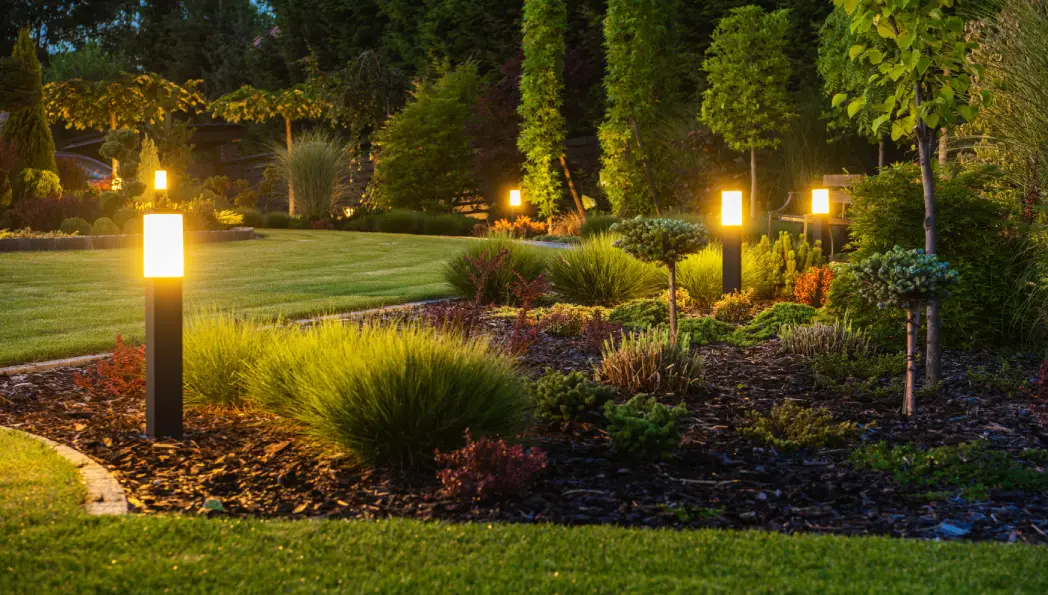
Improving Corporate Safety Through LED Lighting
Browsing Industry Challenges Together The business landscaping market is dealing with real challenges, consisting of labor shortages, increasing insurance coverage premiums, and inflation on materials and devices. As a residential or commercial property supervisor, you might currently feel this in pricing from several suppliers. A good partner will be transparent about these pressures and focus on effectiveness and innovation rather of merely passing along problems.
Make 2026 The Year of The Strategic Landscape January sets the tone for the entire year. A strategic, well interacted landscape strategy can minimize tension, safeguard your residential or commercial property, and raise how your site feels for everybody who checks out. If you are ready to begin 2026 with a clear strategy and a proactive landscape partner, Woodlake Outdoor is here to assist.
Connect this month to arrange a start of year landscape review and construct a 2026 plan that works for you.
Drought Tolerant Commercial LandscapingIn 2026, lawn care patterns show an approach prioritizing sustainability goals, improving usability and strengthening the overall residential or commercial property experience. A major force behind these shifts is the growing reliance on smart technology and the requirement for greener, people-focused designs that decrease water waste, improve maintenance and create more practical, intentional areas.
Eco-Friendly Site Architecture Trends for California
The properties that remain aligned with the most appropriate patterns in the lawn care industry will see success. Let's look at what's in vs. what's out for 2026. Some standard landscaping options are falling out of favor, especially resource-heavy lawns and seasonal flower beds that need constant upkeep. Large stretches of beautiful turfgrass may look clean, however they offer little functional value for most industrial properties.
As water conservation and expense control end up being increasingly important priorities, the standard "endless lawn" approach is no longer viable for contemporary landscapes. Changing them several times a year is pricey and produces considerable plant waste.

Latest Posts

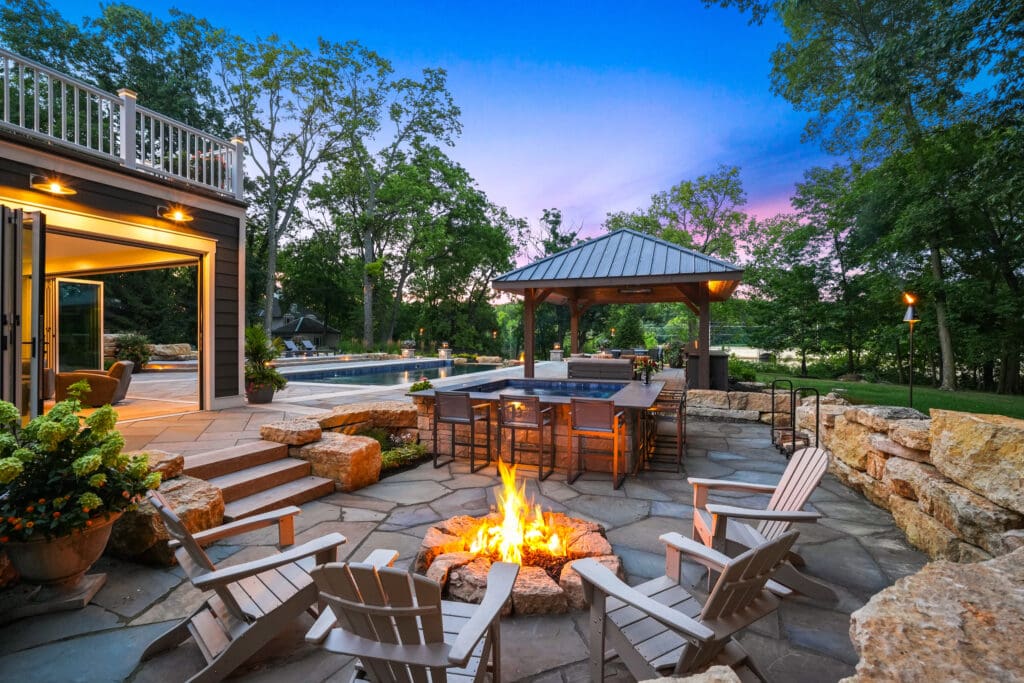
High-End Commercial Hardscape Design Techniques
Modern Lighting Solutions for Enhanced Property Safety

Does Your Entryway Landscape Reflect Your Company Values?